Homeowner's Guide to choosing the right air duct cleaning service
Homeowner's Guide to choosing the right air duct cleaning service
Blog Article
Air Vent Cleaning: Inhale More Easily With These Important Tips
Air duct maintenance is vital to maintaining a healthy indoor environment. It removes contaminants and allergens that can compromise air quality. Recognizing when ducts require attention is essential for peak HVAC performance. Homeowners often miss the methods and equipment required for thorough cleaning. Learning about these aspects can greatly impact energy efficiency and comfort. What steps should one take to guarantee improved air quality and better system efficiency?
How Air Duct Maintenance Improves Your Health
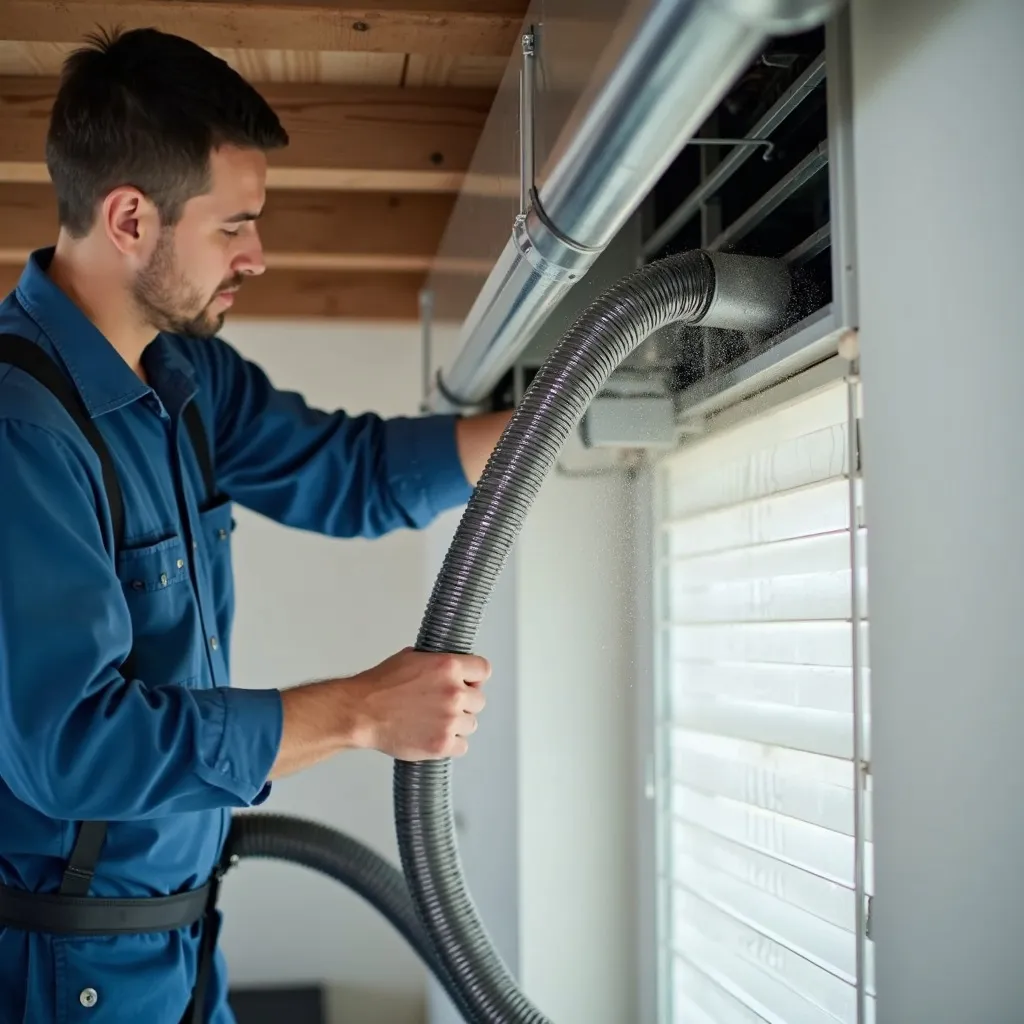
Air duct cleaning improves air quality indoors, resulting in improved health for residents. Over time, allergens, pollutants, and dust collect within the ductwork, flowing through the air. This accumulation can worsen respiratory issues, allergies, and health problems. By removing these contaminants, air duct cleaning reduces the likelihood of airborne diseases and supports a healthier living environment.
In addition, immaculate air ducts can improve the capacity of temperature control systems, producing more consistent temperatures and minimal energy demand. This contributes not only to overall satisfaction but also restricts exposure to injurious materials that can be vented when systems are poorly maintained.
Routine upkeep of air ducts guarantees that clean, fresh air flows throughout the home, promoting better sleep, elevated energy levels, and overall well-being. Ultimately, preserving clean air ducts is a vital step in safeguarding the health of all occupants.
Signs Your Ducts Require Cleaning?
Regular upkeep of air ducts is crucial for sustaining a healthy living environment. Homeowners should be attentive for several signs indicating that duct cleaning is needed.
A notable sign is visible dust or debris around vents or the air filter, indicating buildup dirt within the ducts. Additionally, if residents experience increased allergy reactions, such as sneezing or congestion, it may point to that pollutants are circulating in the air.
Unpleasant scents emanating from vents may also suggest fungal growth or stagnant debris. Moreover, if the HVAC system is performing inefficiently, requiring frequent repairs or causing inconsistent temperatures, dirty ducts could be the culprit.
In conclusion, an increase in utility bills could reveal a restricted system failing to move air adequately. Detecting these markers can help guarantee scheduled cleaning and copyright superior indoor air quality.
DIY Air Duct Cleaning Equipment You Ought To Have
Keeping clean air ducts necessitates the suitable tools to guarantee efficient DIY cleaning. Vital tools for this undertaking feature a vacuum cleaner fitted with a HEPA filter, which collects fine particles and allergenic substances.
A collection of bristled tools, specifically designed for duct cleaning, helps dislodge dirt and particles from the walls of ducts. Furthermore, a flashlight is essential for inspecting shadowy spaces in the duct system, guaranteeing complete cleanliness.
Safety gear, such as gloves and a dust mask, is crucial to copyright safety while dealing with dust and possible contaminants. A set of screwdrivers is also needed for detaching vent covers and access panels.
A moist towel can finally be used to wipe down vent regions after servicing. Together, these equipment establish a thorough kit for anyone wanting to manage air duct upkeep safely and with efficiency.
Assemble Necessary Tools
Gathering the right tools is essential for an effective air duct cleaning operation. A high-quality vacuum cleaner with a HEPA filter is important for removing dust and allergens.
A collection of brushes, featuring a long-handled duct brush, assists in dislodging debris from the duct walls. Adaptable duct cleaning rods can increase reach and facilitate access to hard-to-reach areas. Furthermore, having a flashlight allows for thorough examination of the ducts' interiors.
Protective gear, such as gloves and masks, guarantees safety while cleaning. Finally, a step ladder may be necessary for accessing higher vents.
Set Up Your Space
A properly organized space is vital for an effective air duct cleaning procedure. First, the area around vents should be cleared of furniture and obstacles to permit easy access. This helps prevent any damage to belongings and ensures a thorough cleaning.
Next, homeowners should seal supply vents with plastic sheeting to trap dust and debris during the process. It is also recommended to turn off the HVAC system to avoid circulating contaminants.
Finally, positioning a vacuum containing a HEPA filter close by can assist in trapping any particles dislodged during cleaning. By following these measures, individuals establish an ideal environment that enables effective air duct cleaning and enhances overall results.
Clean Ducts Completely
Prior to commencing the air duct cleaning process, it's vital for homeowners to understand the step-by-step approach that guarantees thoroughness and effectiveness.
Initially, one must gather required items, including a vacuum, brushes, and microfiber cloths. Subsequently, turn off the HVAC system to ensure safety.
Afterwards, detach the vent covers and wash them with warm soapy water. Using a vacuum, cautiously remove dust and debris from the ducts. For deeper cleaning, use duct brushes to remove stubborn particles.
After scrubbing, put the vent covers back in place and swap the air filter. Finally, power the HVAC system back on and listen for any unusual sounds.
Finding a Reputable Air Duct Care Service
How can one confirm that they select a reliable air duct cleaning service? First, it is important to study potential providers carefully. Examining for certifications, such as those from the National Air Duct Cleaners Association (NADCA), confirms clients of adherence to industry standards.
Next, getting multiple quotes enables a comparison of offerings and pricing. A trustworthy business will conduct a comprehensive assessment before providing an estimate, avoiding any deceptive low-cost deals.
Also, inquire about the equipment and methods utilized; a credible service will utilize advanced tools and techniques.
In conclusion, check the company has appropriate coverage and is registered, protecting clients from conceivable damages.
Methods to ensure spotless Air Ducts Every Year
Keeping air ducts pristine year-round is essential for guaranteeing air quality inside your home and system efficiency. Regular inspections are crucial; homeowners should check ducts for dust and debris buildup periodically throughout the year.
Premium air filtration systems substantially decrease pollutants, as these filters trap finer particles that standard filters might miss. It is prudent to replace these filters every three months minimum or per full details manufacturer recommendations.
Additionally, minimizing indoor air pollutants can aid in keeping duct hygiene. This involves limiting activities that produce dust, such as cigarette smoking or using certain candles, and confirming sufficient ventilation when using cleaning products.
Standard cleaning of the home, such as vacuuming and wiping down, helps reduce the amount of dust that could get into the ducts. Finally, arranging a expert service every few years can further guarantee that air ducts remain free from problematic accumulation, promoting a healthier living environment.
Air Duct Cleaning: Costs vs. Rewards
Analyzing the pros and cons of air duct cleaning shows essential knowledge for homeowners. The beginning cost ordinarily spans from $300 to $1,000, influenced by factors like the size of the home and the difficulty of the duct system.
Though this can appear substantial, the possible gains often exceed the costs. Clean air ducts can boost indoor air quality, decreasing allergens and irritants. This may cause fewer respiratory issues and lower healthcare costs over time.
In addition, a immaculate duct system can enhance HVAC productivity, conceivably lowering energy bills by 10-30%. Homeowners should also think about the longevity of their HVAC systems.
Regular cleaning can enhance the useful life of the device, reducing the need for early changes. Ultimately, weighing the preliminary costs against enduring health benefits and energy savings can help homeowners make informed decisions with respect to air duct cleaning.
Common Questions Posed Regularly
How Regular Should My Air Duct Maintenance Be?
Industry experts recommend maintaining clean air ducts every 3 to 5 years. However, factors like pets, allergies, or recent renovations may necessitate more regular cleaning. Ongoing upkeep ensures superior air quality and system efficiency for optimal performance.
Can I Clean My Ducts Without Professional Help?
It's possible to address duct cleaning by yourself, yet DIY methods may not achieve thorough results. Proper tools and techniques are essential for effective cleaning, making professional assistance often a more reliable choice for superior air quality.
What Perils Come from Filthy Air Ducts?
Grimy air ducts can trigger compromised indoor air quality, strengthening allergens and pollutants. This may spark respiratory issues, allergies, and overall discomfort. Additionally, accumulated buildup can restrict HVAC efficiency, mounting energy costs.
Can You Expect Promises from Air Duct Cleaning Services?
Many duct cleaning services do offer commitments, ensuring patron satisfaction. These guarantees often address the caliber of work completed, providing assurance that the service will fulfill specific standards and tackle any concerns that surface after cleaning is complete.
Is Air Duct Maintenance Worth the Cost?
Investing in duct system cleaning can be worthwhile, as it enhances air quality inside your home, enhances HVAC performance, and may prolong system lifespan. Homeowners often report visible improvements, making it a practical choice for many.
Report this page